The EU funded project INDEED, pioneering a universal model for evaluating radicalisation initiatives, has successfully concluded. Its extensive resources are now available to empower practitioners, policymakers, and researchers working to prevent, mitigate, and counteract this global challenge. The project aimed to use evidence-based approaches to strengthen first-line practitioners’ and policymakers’ knowledge, capabilities and skills for designing, planning, implementing and evaluating PVE/CVE and de-radicalisation initiatives, such as policies and strategies, long-term programmes, short-term actions and ad-hoc interventions, in an effective and proven manner.
INDEED, in collaboration with specific partners and through extensive stakeholder consultation, has developed a series of Key Tools and Resources.
An Evaluation Package, was developed by the University of Helsinki, to guide practitioners in planning and conducting effective evaluations for PVE/CVE and de-radicalization initiatives. This user-friendly package, available in 10 languages, includes a visual model, e-guidebooks, and an interactive online tool to support evidence-based evaluation across various fields and experience levels.
PATRIR, in collaboration with the INDEED Consortium partners, has developed a groundbreaking series of training curricula, support packages, and knowledge products designed to improve evidence-based evaluation and practice in PVE/CVE and De-radicalisation initiatives. The comprehensive resources include modular training curricula and training support packages, online self-paced courses available in languages, and a suite of learning products which includes the INDEED Video Interviews & the INDEED Evaluation Podcast, the INDEED Webinars and (multilingual) learning notes. These knowledge products are tailored for practitioners and policymakers, placing a strong emphasis on evidence-based approaches focusing on key topics such as evidence-based evaluation, designing effective PVE/CVE initiatives, integrating Gender, Ethical, Legal, and Social Aspects (GELSA) in evaluation and design of PVE/CVE/DeRad initiatives, and sharing best practices and innovations for practitioners and policymakers in the field. By addressing critical knowledge gaps, these resources provide long-term support for capacity-building for stakeholders across various sectors, enabling them to design, implement, and evaluate more effective and inclusive PVE/CVE/DeRad initiatives.
VUB has developed a digital repository of studies on risk and protective factors which provides an overview of scientific research on factors which may facilitate (risk factors) or prevent (protective factors) processes of radicalisation. This comprehensive database empowers decision-makers with data-driven insights for designing impactful initiatives.
The European Forum for Urban Security (Efus) co-developed policy recommendations to improve the planning, implementation, and evaluation of PVE/CVE/Deradicalisation initiatives. These recommendations translate evaluation insights into actionable strategies, bridging theory and practice to ensure lessons learned are applied effectively.
Targeting policy makers from different levels, the recommendations are based on an inclusive, participatory approach and reflect general conclusions from the project. They incorporate both positive and negative experiences from various evaluations, offering valuable lessons to enhance the impact of future initiatives.
Efus also contributed to develop a repository of evaluations and evidence-based practices, helping practitioners to access PVE/CVE/Deradicalisation initiatives’s evaluations results. The repository includes multiple search filters for easy access to specific data, such as approaches, methods, target groups, and outcomes, as well as keyword and author searches.
Relevant stakeholders were supported to plan, conduct, and utilise evidence-based evaluation of PVE/CVE/De-radicalisation initiatives, using the Evidence-based evaluation tool and following the steps prepared in the e-Guidebook. This provides an analysis of evidence-based evaluation of PVE/CVE/De-radicalisation initiatives, limitations, and provides some recommendations to improve the field.
INDEED prioritized ethical considerations by incorporating gender, ethical, legal, and societal aspects (GELSA) throughout all project activities from its initial needs assessment, to the development of its variety of materials & tools. This ensures inclusivity, non-discrimination, and respect for participant rights, contributing to more effective and sustainable interventions.
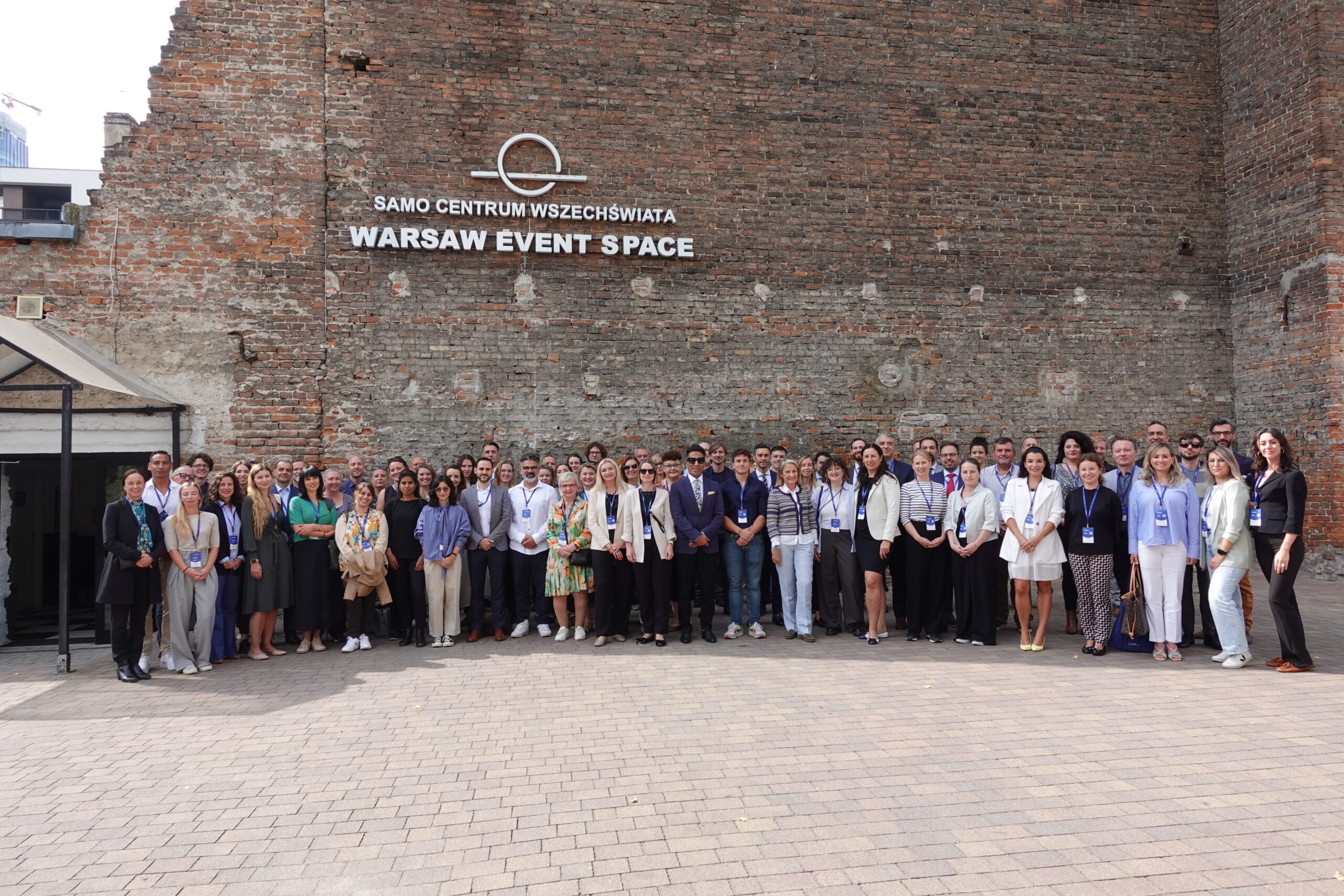
Finally, INDEED, supported by CENTRIC, created a network of SMART HUBS (Stakeholder Multisectoral Anti-Radicalisation Teams) bringing together practitioners, policymakers, and academics from 15 countries to co-design and implement PVE/CVE and de-radicalization initiatives. This collaborative approach ensured that the project’s outcomes were directly relevant and applicable to real-world needs, fostering future collaboration among members.
The INDEED project’s collaborative approach and comprehensive toolkit provide valuable resources for tackling radicalization, ensuring the project’s benefits continue to empower practitioners and policymakers worldwide.
Visit www.indeedproject.eu to explore the project’s resources and learn more about how INDEED equips stakeholders to combat radicalisation.